
Physics Grade 11 11 Sections62 LessonsLifetime
1.5. Current Status of Physics
Physics Grade 11
Lesson Competencies
At the end of the lesson you will be able to:
List at least five recent new developments or discoveries in the fields of physics.
Explain the significance of discoveries like exoplanets, black hole images, and gravitational waves.
Describe the purpose of instruments like the James Webb Space Telescope and particle accelerators.
Discuss the future perspectives of physics, using local examples like the Ethiopian Science and Art Museum.
Key Terms
Exoplanet
A planet that orbits a star outside our own solar system.
Black Hole
A region of spacetime where gravity is so strong that nothing, not even light, can escape.
Gravitational Wave
Ripples in spacetime caused by some of the most violent and energetic processes in the universe, like colliding black holes.
Quantum Cryptography
A method of secure communication that uses principles from quantum physics to encrypt and protect information.
Video Lesson
Core Lesson: Major Recent Discoveries in Physics
Dear learners,
Physics is not a subject of the past; it is a living, breathing field of study that is constantly pushing the boundaries of human knowledge. From the smallest particles to the largest structures in the universe, physicists are making incredible discoveries. Let’s explore some of the most exciting recent developments.
Discovery of Exoplanets
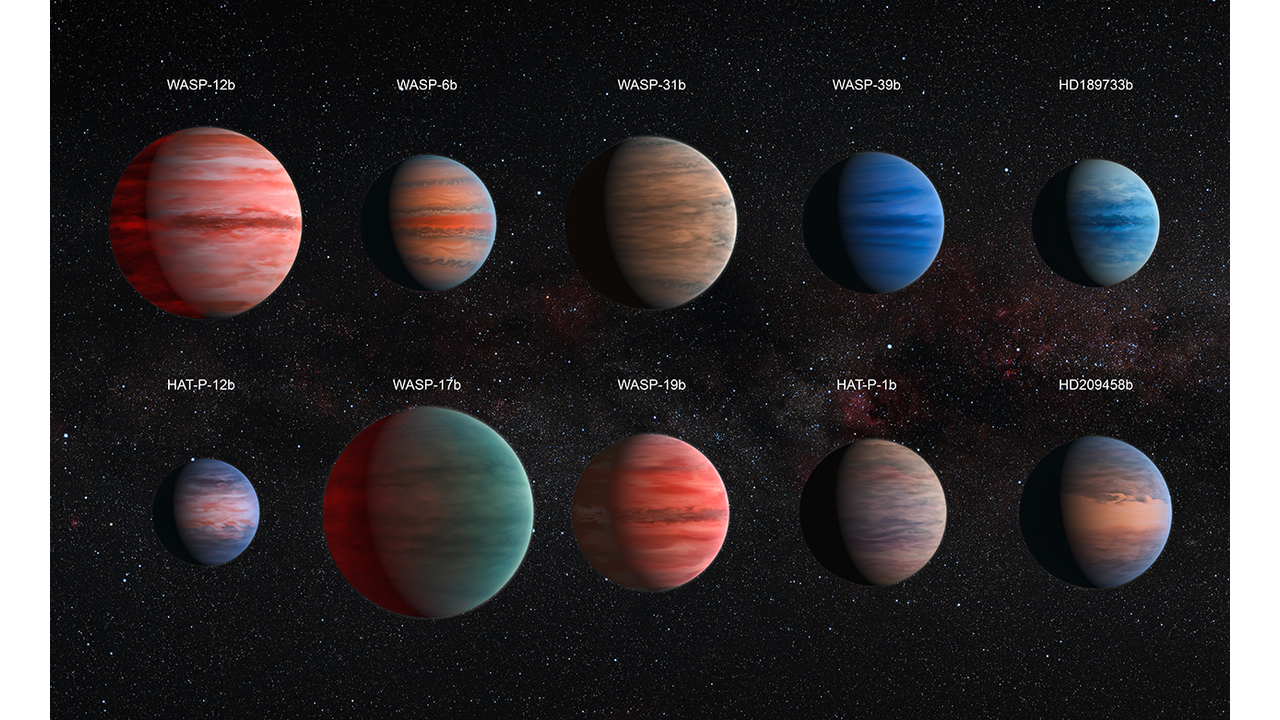
Artists Impression of Exoplanets
For centuries, we only knew of the planets in our solar system. Now, thanks to powerful telescopes and clever detection methods, we have confirmed the existence of over 5,000 exoplanets. This discovery, awarded a Nobel Prize in 2019, has revolutionized our understanding of planetary systems and the search for life beyond Earth.
Imaging a Black Hole
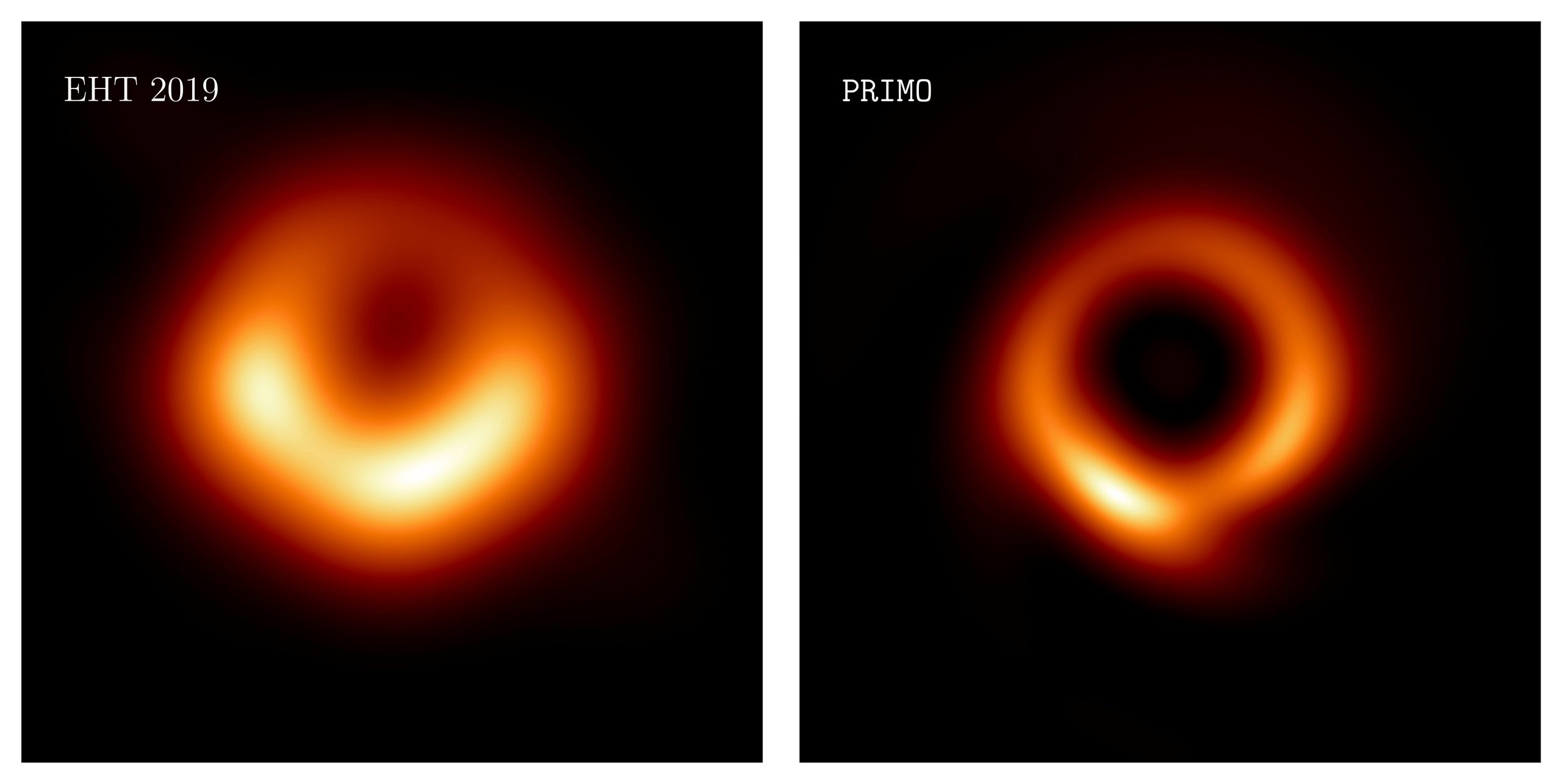
First image of Black Hole
Previously thought to be unseeable, scientists achieved the impossible by capturing the first-ever image of a black hole. This monumental effort, which also earned a Nobel Prize, confirmed theories about these mysterious objects and opened a new window into the workings of gravity in the most extreme environments.
Detecting Gravitational Waves
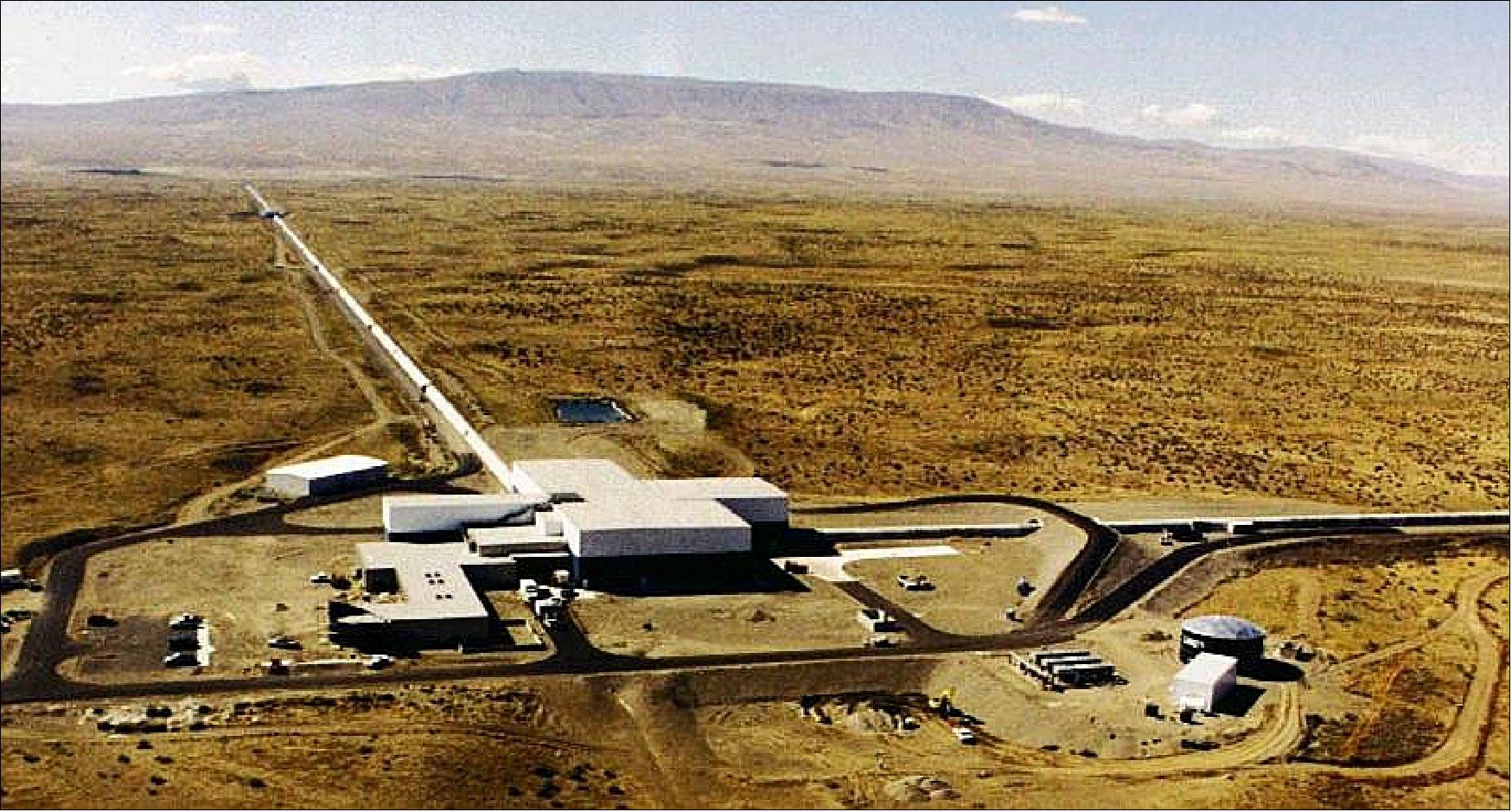
LIGO Observatory
In 2016, scientists detected gravitational waves for the first time, 100 years after Albert Einstein predicted them. These ripples in spacetime, created by colliding black holes, give us a completely new way to observe the universe. The LIGO experiment uses giant laser interferometers to measure these incredibly tiny distortions.
High Energy Physics
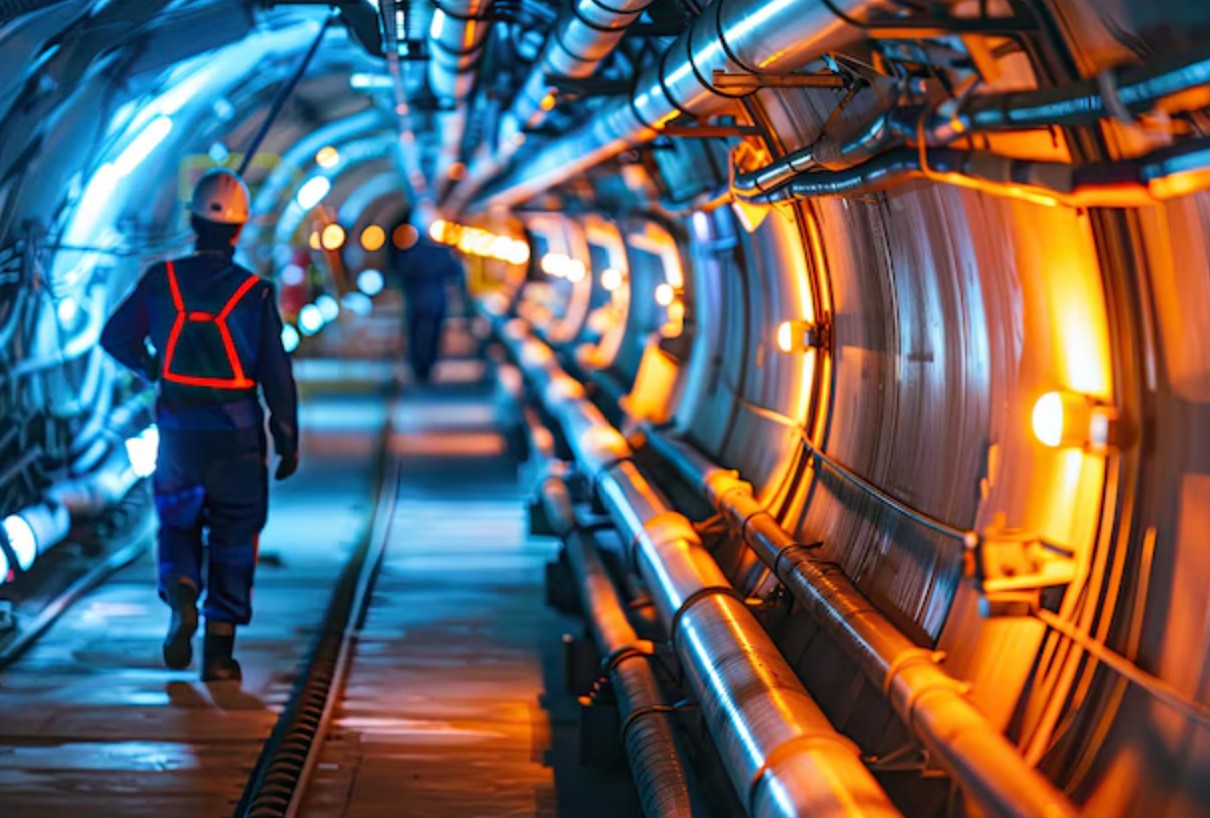
Particle Accelerator Tunnel
Using giant particle accelerators like the one at CERN, physicists smash subatomic particles together at near the speed of light. This allows them to study the fundamental building blocks of matter. A major discovery was the Higgs Boson in 2012, a particle that helps explain why other particles have mass.
James Webb Space Telescope (JWST)
The JWST is a powerful infrared telescope that is allowing us to see farther back in time and with more clarity than ever before. It studies the birth of stars and galaxies, the atmospheres of exoplanets, and objects within our own solar system, providing breathtaking images and invaluable data.
Physics of Global Warming
Physics is crucial for understanding climate change. The Nobel Prize in 2021 was awarded for the physical modeling of Earth’s climate, which reliably predicts global warming. This work helps us understand the impact of human activities and develop strategies to combat climate change.
Future Perspectives: The Ethiopian Science and Art Museum
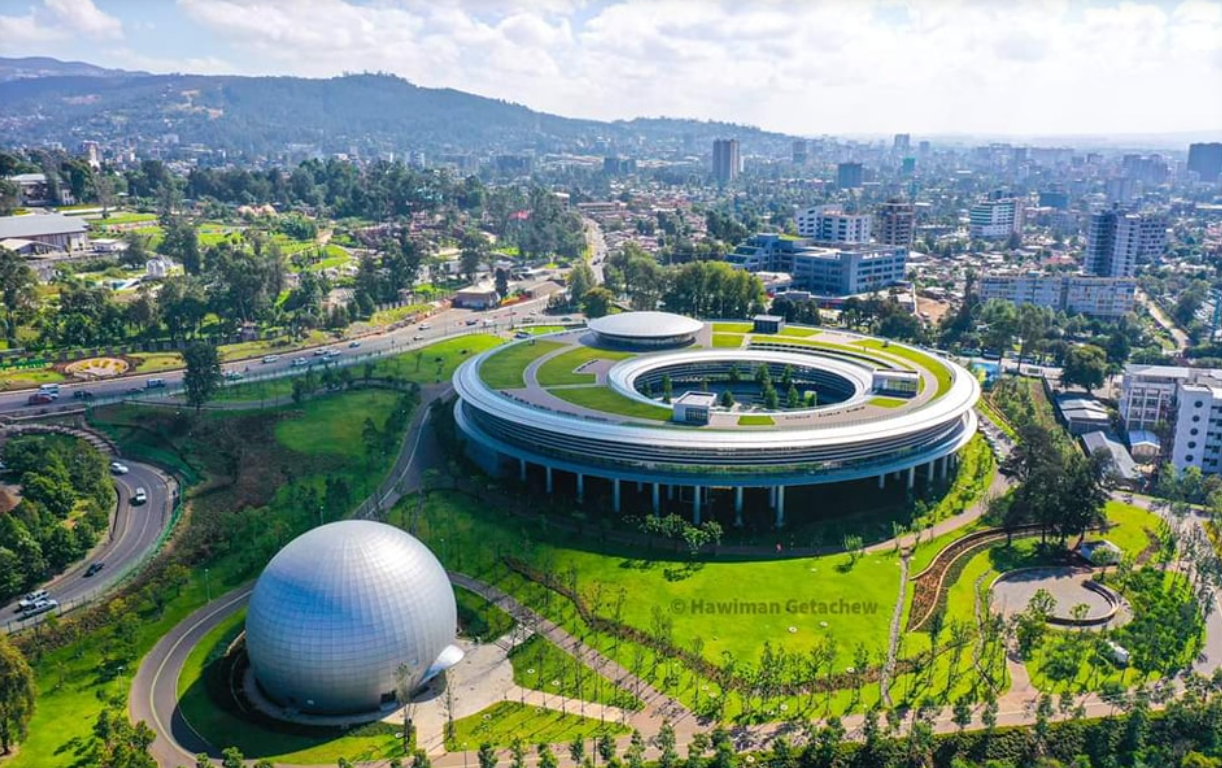
Science Museum Exterior
The future of physics relies on inspiring the next generation. The Ethiopian Science and Art Museum in Addis Ababa is a perfect example of this. Inaugurated in 2022, its goal is to stimulate and attract young students towards science and technology.
The museum features exhibition halls, interactive displays, and sections dedicated to robotics, data analysis, and manufacturing. The dome-shaped Planetarium allows visitors to journey from our solar system to distant galaxies, making the wonders of physics accessible and inspiring for everyone.
Power-up Activity: Complete the Sentences
Fill in the blanks with the correct term or acronym from the lesson.
1. The experiment that uses giant laser interferometers to detect ripples in spacetime is called .
2. The is a powerful infrared telescope that allows scientists to study the birth of the first galaxies.
3. The discovery of the at CERN was a major step in understanding how fundamental particles get their mass.
Activity 1: Identify the Discovery
Select the best answer for each question.
Activity 2: Discovery Facts
Is each statement true or false?
Activity 3: Match the Concept
Drag the concept or instrument to its correct description.
Concepts / Instruments
Descriptions
A planet outside our solar system
Ripples in the fabric of spacetime
An infrared telescope to study the early universe
Lesson Summary
Physics is a dynamic field with major recent discoveries including thousands of exoplanets and the first image of a black hole.
The detection of gravitational waves has given us a new way to observe the cosmos, confirming Einstein’s theories.
Instruments like particle accelerators at CERN and the James Webb Space Telescope are pushing the frontiers of our knowledge about the universe’s smallest and largest scales.
The future of physics is being inspired by institutions like the Ethiopian Science and Art Museum, which make science accessible to the public.
Final Assessment
Test your understanding of modern physics.
Competency Checklist
Check off the skills you’ve mastered in this lesson.